
The Hidden Danger of Meth-Contaminated Homes: One Tenant’s Story & What Australians Need to Know
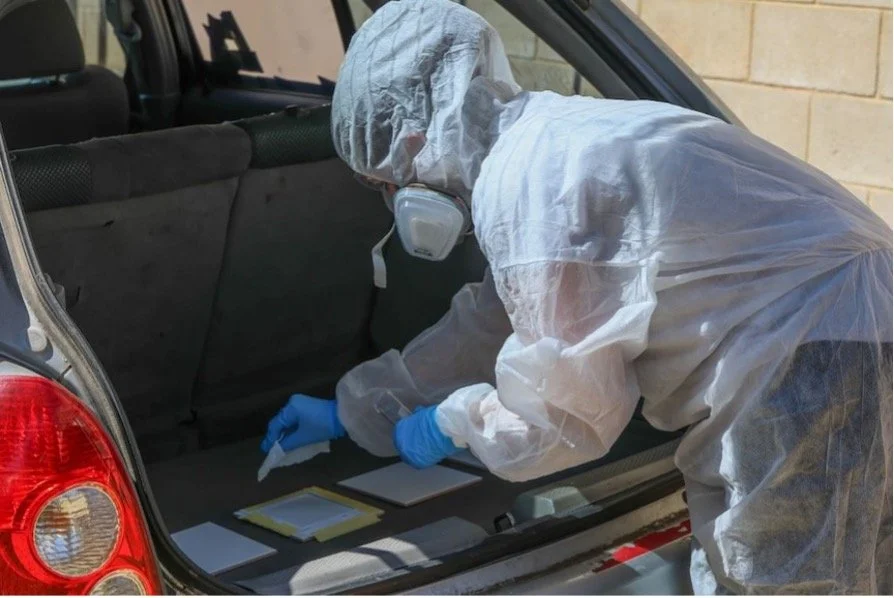
When a Home Isn’t Safe: A Tenant’s Experience With Meth Contamination
For many Australians, securing affordable housing is a struggle — so when Craig Loechel was offered a public housing unit in Wodonga, he thought his luck had finally turned. But shortly after moving in, his health began to deteriorate dramatically.
“I started with really itchy eyes… now I am in horrendous amounts of pain,” he said.
Craig began experiencing:
Difficulty breathing
Severe pain in his sides
Unusual skin discolouration
Ongoing irritation and inflammation
Repeated doctor visits offered no explanation.
It wasn’t until Craig used a methamphetamine self-test kit that things began to make sense. Every kit returned a positive result for meth residue inside the home — even though the property had been “decontaminated” before he moved in.
“It’s overwhelming… you know something’s wrong, you just can’t figure out what,” he said. “Then the test turns positive, and the emotion just hits.”
Craig has since paid a private company for independent testing and is awaiting results.
A System Under Pressure: Questions Over Decontamination Standards
Craig’s home had previously been exposed to methamphetamine by former tenants. The Victorian Department of Families, Fairness and Housing (DFFH) had arranged remediation before he moved in, but questions remain about whether the cleaning was adequate.
Despite ongoing symptoms and self-test results showing positive readings, Craig says he felt forced to remain in the property.
“I would expect they’d want to move someone as quickly as possible if it’s a health concern,” he said.
The department has stated it attempted to re-test the property but that access was refused. Craig maintains he only wanted independent testing, not testing coordinated by the agency responsible for placing him in the home.
This experience highlights a major issue across Australia: housing authorities often lack clear, enforceable standards for meth testing and decontamination.
Meth Residue Lingers for Years — And You Don’t Have to Touch It To Be Exposed
New research from Flinders University reinforces the growing concern around third-hand meth exposure.
According to environmental health researchers, meth residue can remain in:
Homes
Cars
Furniture
Gyprock
Curtains and upholstery
Even breathing the air inside a contaminated building can expose residents.
“You don’t have to touch the surfaces,” said adjunct researcher Dr Jackie Wright. “Just breathing inside the house means you’re being exposed.”
Because meth particles can re-enter the air over time, residents can experience chronic, low-level exposure without ever knowing the home’s history.
Health Symptoms Linked to Third-Hand Meth Exposure
Unlike people who consume meth for its euphoric effects, those exposed to residue experience chronic health impacts — often without understanding the cause.
Researchers are now linking third-hand exposure to symptoms including:
Respiratory problems
Cognitive and behavioural issues (especially in children)
Sleep disturbances
Skin irritation
Persistent headaches
For people already vulnerable — children, the elderly, those with respiratory conditions — the risks are even greater.
Can Meth-Contaminated Homes and Cars Be Cleaned?
In most cases, meth-contaminated environments can be remediated — but not always easily.
Chemical treatments can neutralise residue on many surfaces
Highly porous materials, like fabric, may be impossible to clean and might need replacing
Heavily contaminated areas may require professional removal rather than surface cleaning
Contamination levels vary significantly, and that determines both the risk to health and the complexity of remediation.
What Should You Do if You Suspect Meth Contamination?
Dr Wright encourages anyone with concerns to start with a self-test kit.
If the test result comes back positive:
Do not panic — a low reading does not always mean dangerous exposure.
Engage a qualified, independent company to conduct formal lab-based testing.
Determine whether contamination is low, moderate, or severe.
Seek advice on professional remediation if levels exceed safe guidelines.
Understanding the amount of residue present is critical — it dictates both the health risk and the remediation approach.
Final Thoughts: Australia Needs Stronger Meth Testing and Reporting Standards
Craig’s story is not unique — and without consistent regulations across all states and territories, many Australians remain unaware of the risks they may be living with.
As research continues to reveal the long-term impacts of third-hand meth exposure, there is a growing call for:
National testing standards
Transparent lists of accredited remediation providers
Independent oversight
Improved tenant protections
Clear guidelines for public housing authorities
Until then, awareness and proactive testing remain the strongest tools for protecting families.
GET YOUR PROPERTY METH TESTED TODAY
Don’t risk the health of your family, tenants, or investment. If you suspect your property may be contaminated, contact Forensic Solutions WA for an accredited inspection and testing service.