
Deliberate Vehicle Damage and Insurance Fraud: What You Need to Know & How Expert Forensic Examination Can Help
Insurance fraud involving deliberate damage to a car is a growing problem in Australia.
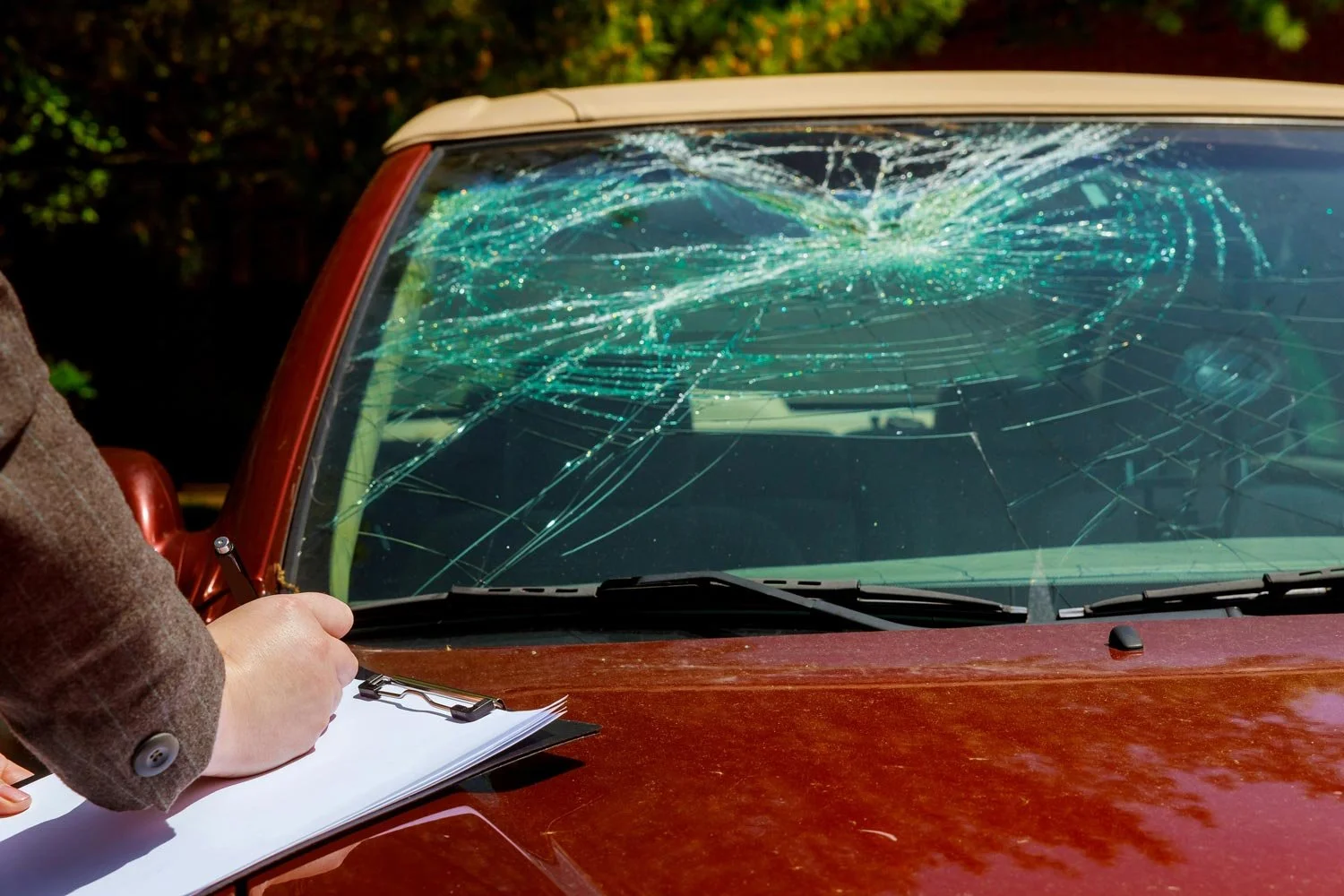
Deliberately Damaging Your Vehicle to Claim Insurance: A Serious and Costly Crime
In recent years, insurers across Australia have seen an increase in claims involving allegedly “vandalised” vehicles that were, in fact, intentionally damaged by the owner in an attempt to secure a payout. This behaviour isn’t just unethical — it is criminal insurance fraud.
Common fraudulent acts include:
Scratching or paint-striping panels
Using rocks, screwdrivers or sandpaper to imitate vandalism
Creating fake “hail damage” using objects like golf balls or hammers
Pouring paint throughout the interior of the car and alleging it spilled after a collision
Filing false police reports to support fabricated claims
Insurance policies are designed to cover unforeseeable and accidental events. Intentional damage caused by the policyholder is explicitly excluded, and insurers will investigate even minor claims where the damage appears inconsistent with the reported incident.
Consequences of Deliberate Damage (Why You Should Never Do It)
Attempting to stage damage to claim an insurance payout is never worth the risk. Consequences can include:
Claim Denial
Insurers will reject any claim where deliberate action is suspected. Once this occurs, it becomes extremely difficult to obtain coverage elsewhere.
Policy Cancellation
Your current insurer may cancel your policy immediately, and other insurers can legally refuse to cover you.
Criminal Charges
Insurance fraud is a criminal offence in Australia. Penalties can include:
Heavy fines
Criminal conviction
Possible imprisonment
Filing a false police report is an additional serious offence.
Personal Financial Liability
You will be responsible for:
All repair costs
Any excesses
Investigation fees in some cases
Long-Term Consequences
Convictions or fraud flags on your insurance record may remain for life, severely limiting access to affordable insurance.
How Insurers Detect Fraud
Many people underestimate the level of forensic detail used when reviewing a suspicious claim. Insurers engage forensic engineers, paint analysts and specialists to determine whether the damage matches the reported event.
Key investigation techniques include:
Damage Pattern Analysis
Comparing impact marks to hailstone geometry, accidental scraping, or genuine vandalism.Paint Transfer Examination
Identifying tools or objects used to create fake scratches.Surface Deformation Analysis
Assessing whether dents match hailstone velocity, angle and distribution.Consistency Checks
Insurers review whether the story aligns with the physical evidence.Police and CCTV Review
False reports often unravel quickly during cross-checking.
Because staged damage rarely mimics real-world conditions, expert examination typically reveals deliberate acts.
Legitimate Damage: What Is Covered by Insurance?
Most comprehensive insurance policies cover genuine accidental or malicious events, including:
✔ Vandalism by unknown offenders
Keying, paint tagging, graffiti or other deliberate damage by a third party (requires a police report).
✔ Accidents and collisions
Impacts caused by loss of control, other vehicles, or roadside objects.
✔ Natural events
Hail, storms, falling debris or flood damage (policy-dependent).
The key requirement is that the damage must be unintentional and unforeseen.
Forensic Vehicle Damage Examination — Expertise You Can Rely On
As Dr Clint Hampson, a forensic specialist with extensive experience in paint analysis, collision pattern interpretation, and crime scene examination, I am qualified to provide:
Expert assessments of alleged fraudulent damage
Forensic paint and surface analysis
Independent reports for insurers, lawyers and private clients
Detailed interpretation of damage patterns vs. claimed mechanisms
Court-ready documentation where fraud is suspected
My background in forensic science, crime scene reconstruction, and evidence interpretation allows me to determine whether vehicle damage is consistent with:
Genuine vandalism
Accidental impact
Hail or natural events
Or deliberate, self-inflicted acts
This expertise is particularly important in disputed claims, litigation, or investigation of insurance fraud.

NEED HELP FROM A FORENSIC CONSULTANT?
Forensic evidence should never go unquestioned. If you need an independent review, expert opinion, or forensic support for your case, contact Forensic Solutions WA today.