
Meth Houses in Australia: Why More Meth Testing & Stronger Regulations Are Needed
A recent study from Flinders University has highlighted a serious and growing issue: most suspected meth-contaminated properties in Australia are never tested or reported.
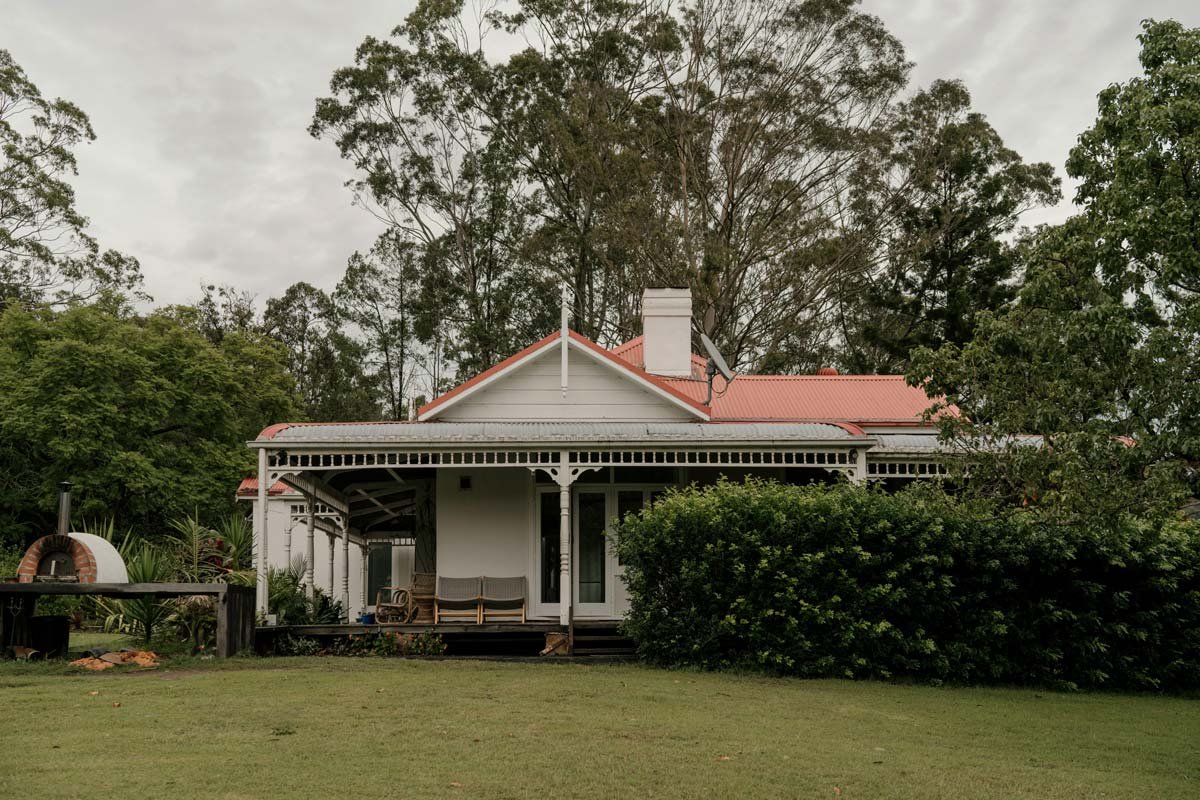
With less than 10% of suspected methamphetamine contamination cases reaching council Environmental Health Officers (EHOs), thousands of Australian families may be living in unsafe environments without knowing it. This emerging public health problem is especially concerning in today’s tight housing market, where renters and homebuyers often accept properties without thorough inspection.
What Is Meth Contamination and Why Is Testing Important?
Meth contamination occurs when methamphetamine is smoked, used or manufactured inside a home. The residue left behind can settle on:
Walls
Carpets
Floors
Furniture
Curtains
Air-conditioning systems
Experts warn that these residues can linger for up to five years, creating a risk of third-hand meth exposure — a growing health concern across Australia.
Why Australia Needs Better Meth Testing Regulations
Unlike asbestos removal — which is strictly regulated — meth testing and meth decontamination in Australia currently have no national standards, leading to inconsistent practices across the country.
Flinders University researchers describe the sector as “an industry with no regulation.”
This means:
Consumers struggle to identify reliable meth testing companies
Councils and police follow inconsistent procedures
Remediation work varies dramatically in quality
Only Western Australia currently maintains a publicly available list of approved meth testing and remediation contractors.
Low Reporting Rates: Why Most Meth-Contaminated Homes Are Missed
The Flinders study found a surprisingly low level of reporting and public enquiries:
Less than 10% of suspected cases reach authorities
Only 6% of EHOs received enquiries in the previous month
Most residents do not know how to find trustworthy information
Only 1 in 10 clandestine meth labs are ever detected by police
This means many contaminated homes may be sold or rented without the new occupants ever being told.
Health Risks of Living in a Meth-Contaminated Home
The long-term health effects of third-hand meth exposure — especially for young children — are still being researched.
Potential risks being studied include:
Behavioural changes
Sleep disturbances
Respiratory issues
Skin irritation
Developmental impacts
Flinders researchers recently identified a new potential condition called THEM Syndrome (Third-hand Exposure to Methamphetamine), calling for more national research into its health effects.
Calls for a National Framework
Researchers are urging the Australian government to develop:
A national code of practice for meth testing
A regulatory body overseeing testing and remediation
An approved contractor list in every state
A toolkit for councils, police, property managers and the public
Mandatory training and accreditation for testing professionals
Until consistent rules are introduced, many Australians will remain at risk.
What Property Buyers, Landlords and Tenants Should Do Now
With no national regulation in place, Australians should take proactive steps, including:
Requesting meth testing before purchasing a home
Ensuring rental properties are tested between tenants
Using reputable, certified meth testing companies
Seeking independent reports for peace of mind
Acting promptly if contamination is suspected
Forensic testing helps protect families, landlords and property investors from unseen health hazards and costly remediation.
GET YOUR PROPERTY TESTED TODAY
Don’t risk the health of your family, tenants, or investment. If you suspect your property may be contaminated, contact Forensic Solutions WA for an accredited inspection and testing service.